For clean eaters and health-conscious shoppers, knowing when to go organic can make all the difference. Organic produce is often more expensive, but not every fruit or vegetable carries the same pesticide risk. That’s where the Dirty Dozen and Clean Fifteen lists come in—two guides published annually by the Environmental Working Group (EWG) that help consumers prioritize which foods are most important to buy organic.
What is the Dirty Dozen?
The Dirty Dozen is a list of the 12 fruits and vegetables that contain the highest levels of pesticide residue, even after washing or peeling. These crops are often grown using conventional farming methods that rely heavily on chemical treatments to prevent pests and disease.
According to the EWG’s 2024 Shopper’s Guide to Pesticides in Produce, the current Dirty Dozen includes:
- Strawberries
- Spinach
- Kale, collard & mustard greens
- Grapes
- Peaches
- Pears
- Nectarines
- Apples
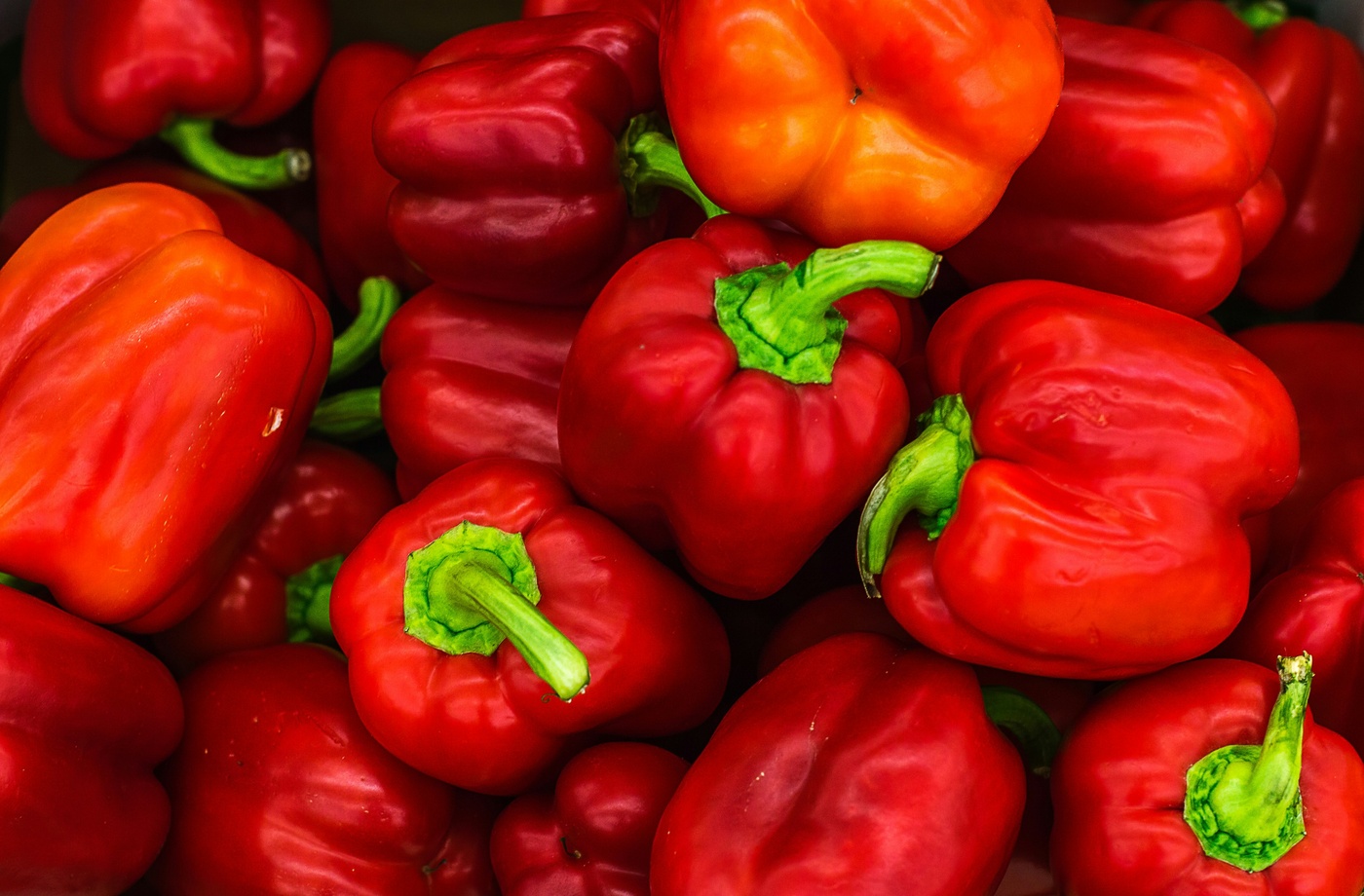
- Bell & hot peppers
- Cherries
- Blueberries
- Green beans
These are the items you’ll want to buy organic when possible, especially if you’re feeding young children or limiting toxin exposure.
What is the Clean Fifteen?
The Clean Fifteen is the opposite—it highlights produce with the lowest pesticide levels. These are considered safer to buy in non-organic form, making them ideal for shoppers balancing budget and nutrition.
The 2024 Clean Fifteen includes:
- Avocados
- Sweet corn
- Pineapples
- Onions
- Papayas
- Sweet peas (frozen)
- Asparagus
- Honeydew melon
- Kiwi
- Cabbage
- Watermelon
- Mushrooms
- Mangoes
- Sweet potatoes
- Carrots
These fruits and vegetables either have thick skins, grow underground, or are treated with fewer chemicals during cultivation.
Why these lists matter for budget-conscious clean eating
If you can’t afford to buy everything organic, the Dirty Dozen and Clean Fifteen help you shop strategically. Focusing your organic spending on the Dirty Dozen while buying conventional versions of the Clean Fifteen can stretch your grocery budget without compromising your wellness goals.
Tips for clean, mindful produce shopping
- Check the EWG list annually—pesticide levels can change from year to year
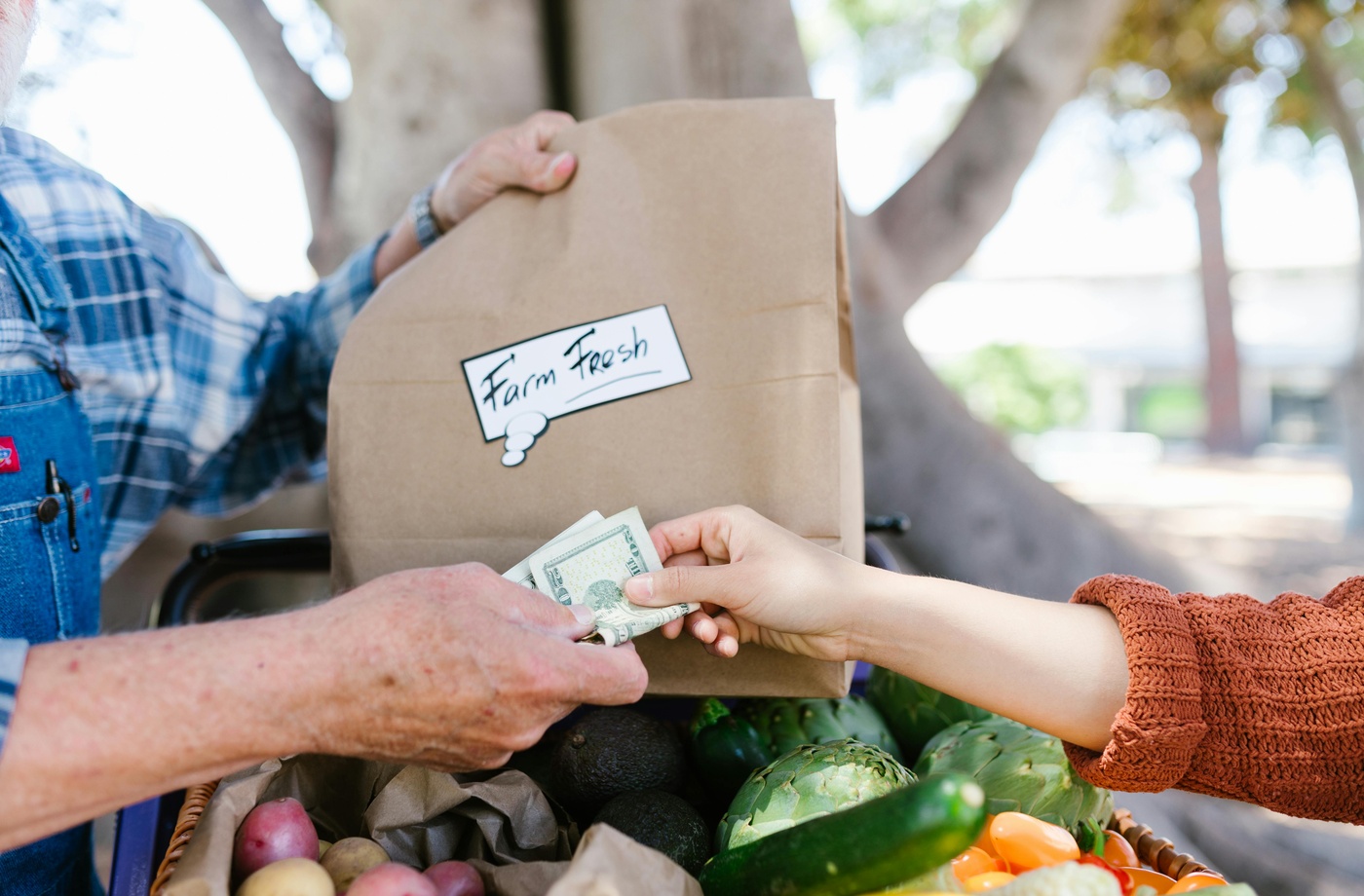
- Shop at local farmers markets for small-batch, often lower-pesticide alternatives
- Wash all produce thoroughly, even when buying organic
- Use a produce wash or soak in a vinegar-water solution to remove surface residues
- Freeze Clean Fifteen items when they go on sale to preserve nutrients and savings
Final thoughts
Being selective about where you spend on organic produce is a practical way to eat clean without overspending. The Dirty Dozen and Clean Fifteen lists simplify that process by providing a science-backed guide to what matters most. With informed choices and seasonal awareness, you can shop smarter and support your health—one bite at a time.