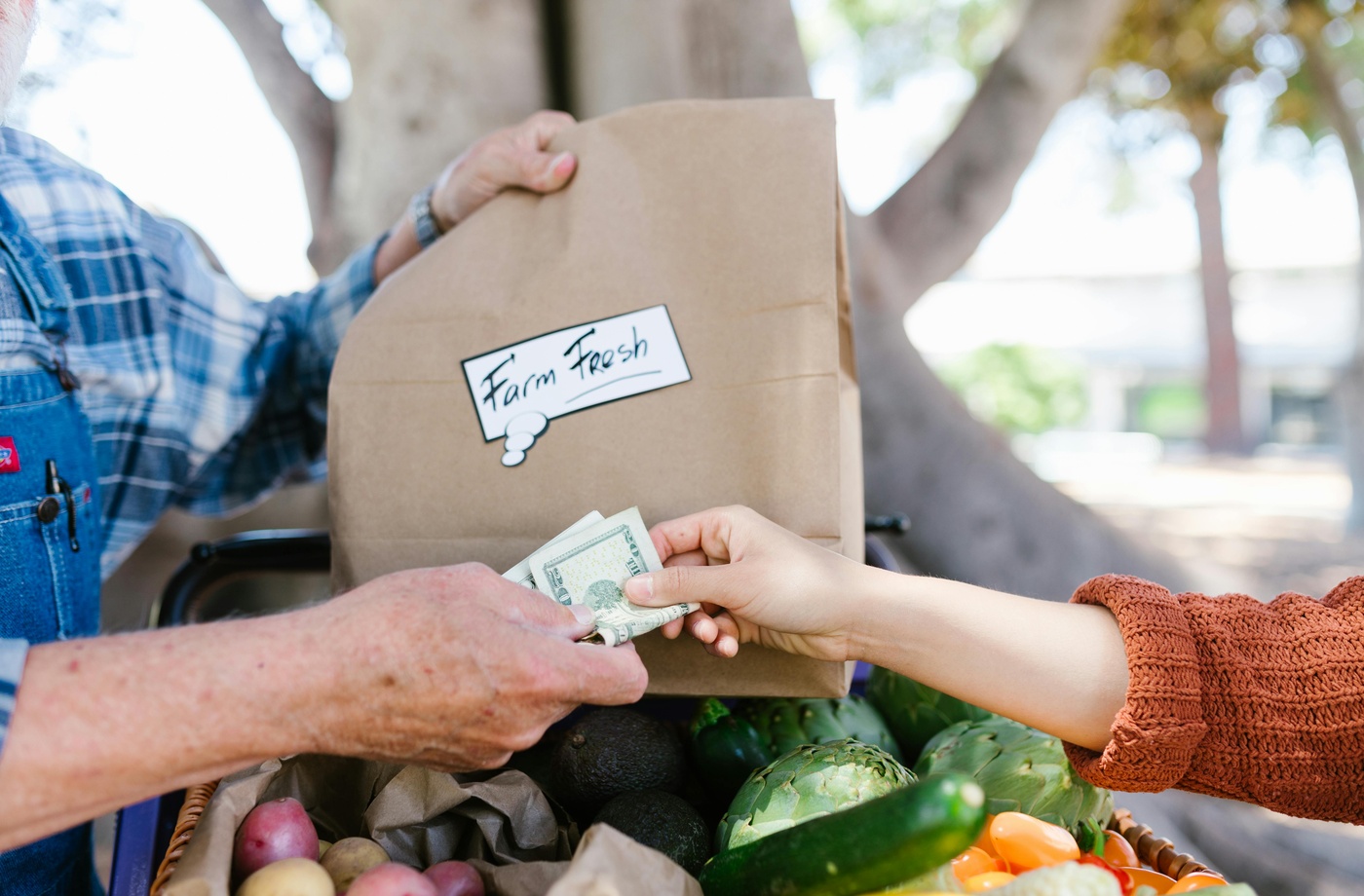
The produce aisle may look fresh and green, but it’s also home to excess packaging, food waste, and overlooked environmental impact. For shoppers committed to clean eating and conscious living, sustainability doesn’t stop at what you buy—it includes how it’s packaged, transported, and preserved. These 10 sustainable swaps help reduce waste, support local agriculture, and make your grocery habits greener without sacrificing nutrition or taste.
- Swap plastic produce bags for reusable mesh bags
Instead of grabbing single-use plastic produce bags, bring your own reusable mesh or cotton bags. Brands like EcoRoots and Earthwise offer washable options that are lightweight and durable. - Choose loose produce over pre-packaged items
Buy apples, carrots, and greens loose instead of pre-bagged to avoid unnecessary plastic. You’ll reduce packaging waste and can better control the quantity you need. - Buy local and seasonal whenever possible
Shopping from local farms or seasonal produce reduces transportation emissions and supports your regional food economy. Use tools like LocalHarvest to find farmers markets near you. - Swap plastic clamshells for cardboard or compostable packaging
When buying berries or tomatoes, look for brands using recycled cardboard containers or compostable options. These are more easily recycled or biodegradable compared to rigid plastics. - Bring your own container for bulk mushrooms or greens
Many stores allow you to weigh your own reusable container at the counter. Use glass jars or stainless steel containers for bulk mushrooms, spinach, or lettuce to skip the plastic altogether. - Opt for glass-bottled juices over plastic jugs
When buying fresh juices, look for glass bottles you can reuse or recycle easily. They’re often found in local co-ops or health-focused grocery stores like Sprouts and Whole Foods. - Buy “ugly produce” to reduce food waste
Imperfect produce delivery services like Misfits Market and Imperfect Foods rescue fruits and vegetables that would otherwise go to waste. These “ugly” items are just as nutritious but often come at a discount. - Skip single-use produce wrap and use beeswax covers
For half-used avocados, lemons, or herbs, ditch the plastic wrap and use Bee’s Wrap, a compostable beeswax wrap that keeps produce fresh. - Buy in bulk to cut down on packaging
When available, use the bulk section for grains, nuts, dried fruit, and legumes. Bring your own containers or reusable bags and buy only what you need to reduce both waste and food spoilage. - Use cashback rewards to support eco-friendly brands
Shopping sustainably can cost more upfront, but you can offset that by using digital cashback tools. Apps like Fluz let you earn cashback with a Whole Foods gift card or other eco-friendly grocery retailers, helping make greener choices more affordable.
Final thoughts
Making sustainable swaps in the produce aisle doesn’t require a lifestyle overhaul—just a little extra awareness and planning. Each small change, from choosing loose produce to supporting local farmers, contributes to a healthier planet and a cleaner food system. And when paired with smart savings strategies, sustainability becomes both accessible and rewarding.